


The challenges faced by HR professionals are:
- Identify the welfare variables that can be influenced.
- To have diagnostic tools that allow a reliable and objective analysis of the reality.
- Determine wellness improvement objectives with a real impact on business indicators and organizational climate.
- Design intervention plans with professionals in the Wellness field who also have a deep knowledge of the organizational framework.
- Measure the return on investment in time and money of the actions aimed at improving wellness.
 Overcoming these challenges makes it possible to define strategic and sustainable plans that bring about a cultural transformation with a real and measurable impact on the organizational culture and a coherent integration into the business strategy. Otherwise, “Wellness” plans become isolated actions with great difficulty in measuring their impact or linking them to results beyond their possible incidence in the climate survey.
The “Wellness” movement in organizations is beginning to gain strength and, fortunately, we have more and more tools that allow us to measure wellness, to know the best way to support professionals and to evaluate the impact of the actions that are carried out. Examples of these tools are:
Corporate Wellness Monitor
It allows us to constantly monitor the impact that wellness actions have on the previously established objectives and thus be able to periodically evaluate the return on investment and make the necessary adjustments in case the expected results do not materialize.
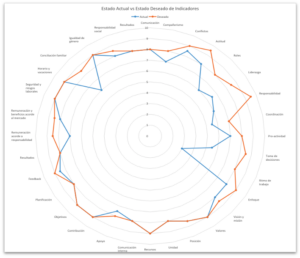
Personal Wellness Radar
The Personal Wellness Radar tool identifies the perception that each professional has of different dimensions of wellness and in which ones they would like to improve or be supported. These results help us to plan different strategies based on people’s motivation.

Habits test
The habits test shows us the information we need to become aware of the starting point regarding stress management, sleep, movement and nutrition habits with a visual report on which we can set different improvement goals.

Disc wellness
Professionals receive a personalized report on their behavioral and self-motivation tendencies with personalized advice on the type of activities best suited to their wellness goals. Become aware of your strengths in order to modify habits and barriers.

Collective wellness disc
We obtain in a graphic way the behavioral trends map of a complete team to design actions tailored to their needs and motivations.


